March 19.
Minna Canth: Life, Literary Work, and Fight for Women’s Rights in Finland
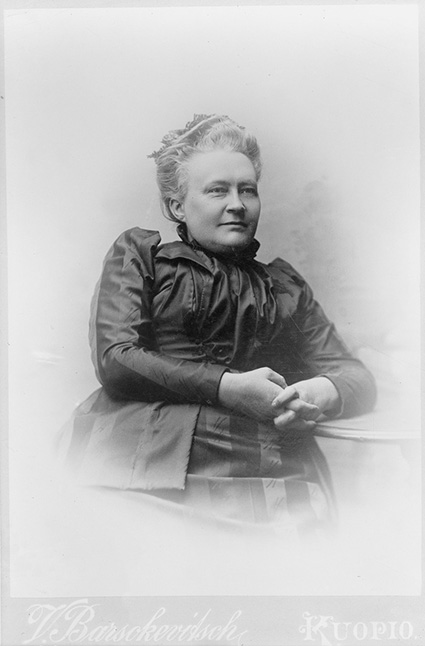
Minna Canth Day, Equality Day, is an established flag-raising day in Finland every year on March 19. Equality Day is the birthday of the writer Minna Canth (1844–1897).
Who Was Minna Canth?
Minna Canth was one of the most influential cultural figures in Finland. She is remembered as a writer, playwright, journalist, and social activist who fought for equality, social justice, and women’s rights during the 19th century.
Her literary works played a major role in shaping Finnish social debate and introducing realistic portrayals of societal problems. At a time when women rarely participated in public discourse, Canth openly criticized inequality and demanded reforms.
Today her legacy remains strong in Finland. Every year on March 19, the country celebrates Minna Canth Day, a national day dedicated to equality and the memory of this pioneering writer.
Early Life and Family Background
Minna Canth was born on March 19, 1844, in Tampere. Her father worked as a merchant and the family moved frequently during her childhood.
Eventually the family settled in Kuopio, which later became the center of her life and career. The city played a crucial role in shaping her intellectual development and literary work.
From an early age, Canth showed a strong interest in literature, reading, and intellectual discussions. She grew up in an environment where education and enlightenment ideals were valued.
Education and Intellectual Development
Minna Canth had an unusual opportunity for a woman of her time: she was able to pursue higher education. She studied at a teacher training college in Jyväskylä, one of the first institutions in Finland to admit women.
During her studies she became interested in social justice, equality, and education reform. These ideas would later become central themes in her literary work.
Marriage, Family, and Personal Challenges
During her studies Minna met her future husband, Johan Ferdinand Canth, who worked as a teacher. After their marriage, she focused on family life and raising children.
The couple eventually moved to Kuopio, where they ran a shop selling textiles and household goods. Minna Canth gave birth to seven children, and for many years she dedicated her time to family responsibilities.
However, tragedy struck in 1879 when her husband died. Left alone with seven children and a family business, she faced immense responsibilities. Instead of retreating from public life, she took control of the business and began pursuing a career in writing.
The Beginning of Her Literary Career
During the 1880s, Minna Canth began publishing short stories, essays, and plays. Her writing quickly attracted attention because it addressed controversial social issues.
She became one of the leading figures of social realism in Finnish literature. Her works depicted real social problems such as poverty, gender inequality, and the moral contradictions of society.
Many of her texts sparked intense debate because she openly criticized the social norms of her time.
Key Themes in Minna Canth’s Works
The works of Minna Canth explore several important themes that were highly relevant in 19th-century Finnish society.
Women’s Rights and Gender Equality
One of the central topics in Canth’s work was the status of women. During the 19th century, women in Finland had limited legal and economic rights, especially within marriage. Her plays and stories highlighted the injustice faced by women and questioned traditional social structures.Social Inequality
Canth also focused on the hardships of working-class people. Her stories portrayed poverty and social injustice with honesty and realism. By giving voice to marginalized groups, she contributed to growing discussions about social reform.Moral and Religious Hypocrisy
Another important theme in her writing was the criticism of hypocrisy within society and religious institutions. Canth often explored the tension between public morality and private reality.
Most Famous Works of Minna Canth
Over the course of her career, Minna Canth wrote several influential plays and stories that are still considered classics of Finnish literature.
Työmiehen vaimo (The Worker’s Wife)
This play is one of Canth’s most famous works. It tells the story of a woman suffering under unfair marriage laws that allowed husbands to control their wives’ property.
The play sparked public debate and contributed to discussions about legal reforms for women.
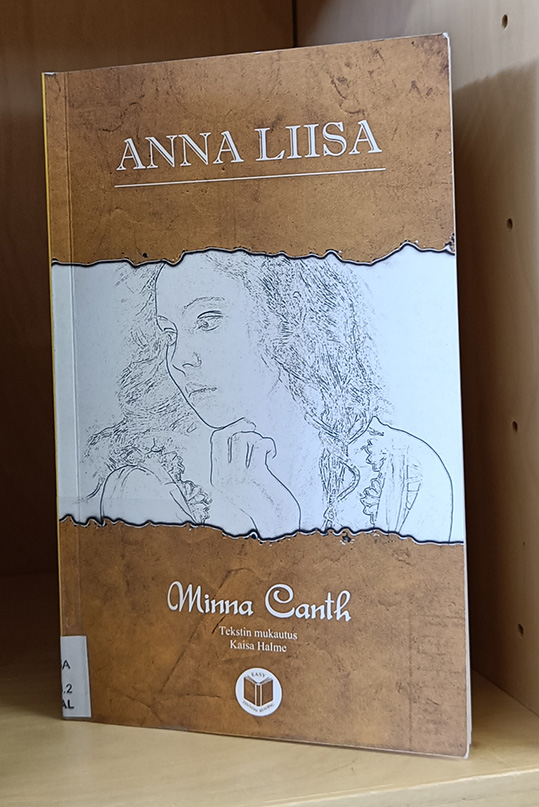
Anna Liisa
The drama Anna Liisa is widely regarded as one of the masterpieces of Finnish theatre. The story revolves around a young woman hiding a tragic secret from her past.
The play deals with themes of guilt, responsibility, and moral judgment.
Köyhää kansaa (Poor People)
This short story focuses on the difficult lives of poor families. Through realistic storytelling, Canth highlighted the social challenges faced by the lower classes.
Minna Canth as a Social Activist
In addition to her literary achievements, Minna Canth was deeply involved in social activism. She wrote newspaper articles, participated in public debates, and advocated for reforms.
Her activism focused on several key areas:
- women’s rights and gender equality
- access to education
- improved living conditions for workers
- social and legal reforms.
Her home in Kuopio became a gathering place for intellectuals, artists, and political thinkers. It functioned almost like a cultural salon where important ideas were discussed.
Influence on Finnish Literature
Minna Canth had a profound impact on the development of Finnish literature. She was among the first writers in Finland to openly address social issues in fiction and drama.
Her work helped establish a tradition of socially conscious literature in Finland. Many later writers were inspired by her courage to challenge societal norms.
Today she is widely regarded as one of the pioneers of modern Finnish literature.
Minna Canth Day in Finland
Every year on March 19, Finland celebrates Minna Canth Day.
This day commemorates the writer’s contributions to literature and social reform. It is also recognized as Equality Day in Finland.
Typical activities include:
- raising the Finnish national flag
- cultural events and lectures
- theatre performances of her plays
- public discussions about equality and social justice.
It is one of the few national flag days in Finland dedicated to a historical female figure.
Why Minna Canth Still Matters Today
Although Minna Canth lived in the 19th century, the themes she addressed remain highly relevant.
Issues such as gender equality, workers’ rights, and social justice continue to be important topics worldwide. Her work demonstrates how literature can contribute to social awareness and change.
Scholars often point out that her writings provide valuable insights into the early history of feminist thought in Finland.
Legacy of Minna Canth
Today Minna Canth is considered a central figure in Finnish cultural history. Her works are studied in schools and universities, and her plays continue to be performed in theatres.
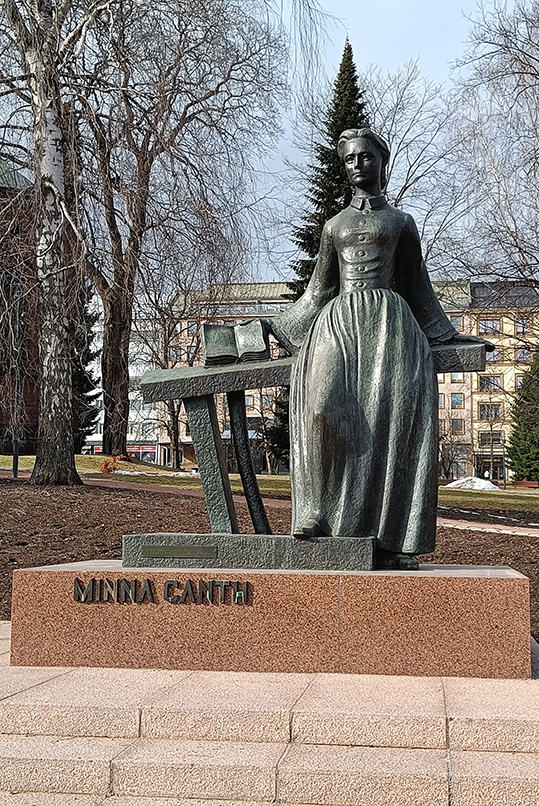
Monuments, museums, and cultural institutions dedicated to her memory can be found throughout Finland, especially in Kuopio and Jyväskylä. She remains a symbol of intellectual courage, independence, and the pursuit of justice.
Minna Canth stands among the most remarkable figures in Finnish history. Through her literary works and activism, she challenged social inequality and helped shape modern discussions about women’s rights.
Her legacy lives on through literature, education, and the annual celebration of Minna Canth Day. More than a century after her death, Minna Canth continues to inspire readers, scholars, and activists around the world.